
The Economic Impact of the Trail
In addition to all the expected community benefits the trail will offer, the new analysis estimates the trail will make a huge economic impact.
Every $1.00 invested in the trail will generate $3.80 in new economic activity.
+$35.1M
New annual spending in the region due to visitors to the Shenandoah Rail Trail is projected to be $35 million (in 2025 dollars) per year when the trail is fully opened.
+321 Jobs
The new regional economic activity is expected to generate 321 new jobs.
+$10.6M
The expanded economy will generate substantial new income for business employees, the self-employed and unincorporated businesses.
Tax
Revenue
The expanded economy in the region will generate $2.7 million in additional tax revenue each year for state and local governments.
Attracting Economic Development Opportunities
A fully-connected trail also adds to the enticing local amenities that attract companies seeking to locate in a place that offers a high quality of life to the folks they employ. This means the potential for new job opportunities across a variety of economic sectors.


It’s time for a Trail that connects more than towns—It connects people.
Virginia’s Shenandoah Rail Trail will connect towns from Broadway to Front Royal with almost 50 miles of trail alongside the North Fork of the Shenandoah River and the Massanutten Mountain range.
Rail Trail News

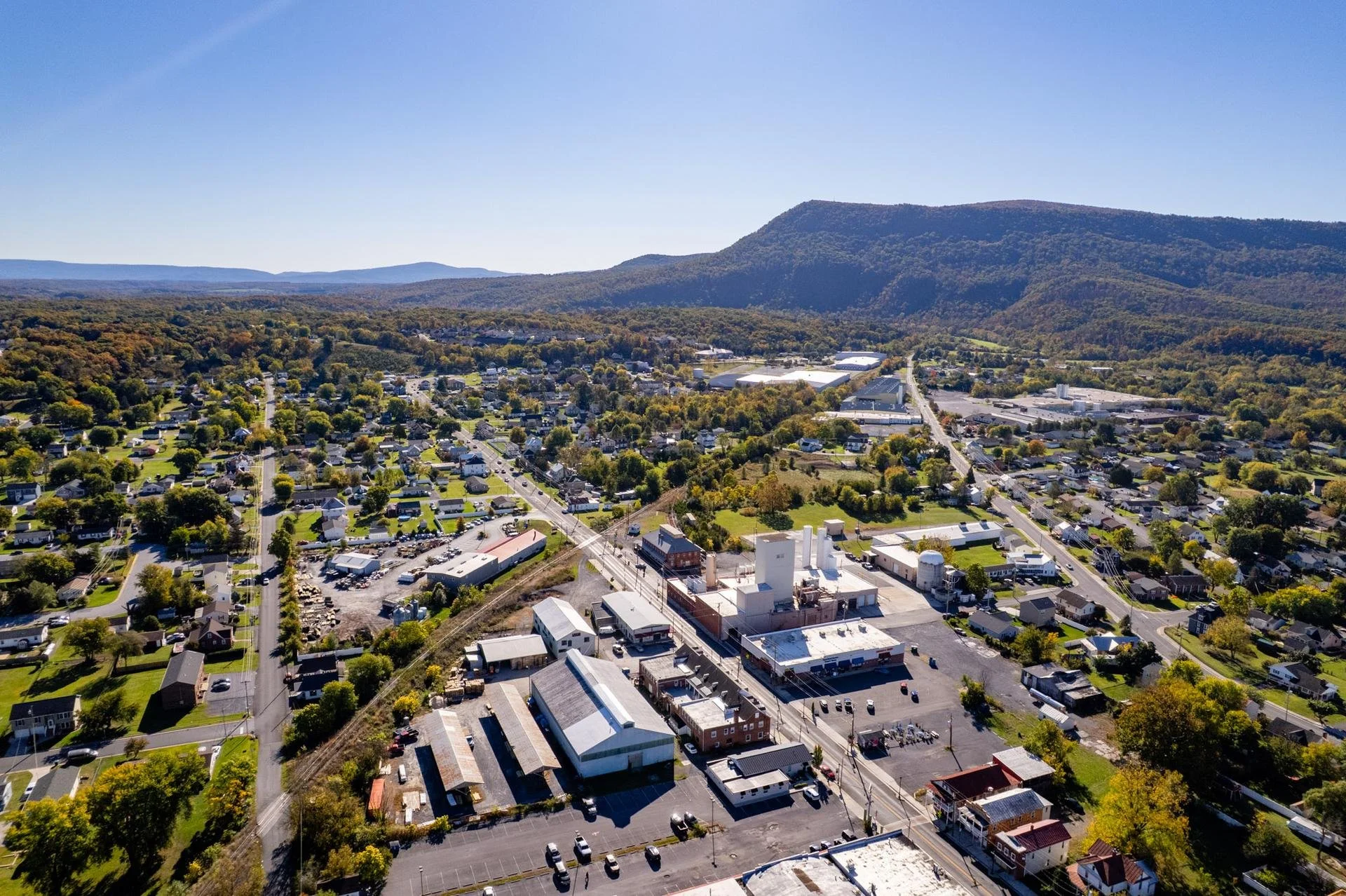
VDOT released the results of their Phase 3 survey, marking the end of the Shenandoah Valley Rail-with-Trail Assessment. And thanks to you, the results are clear: across scales, local to statewide, communities overwhelmingly want the Shenandoah Rail Trail we’ve been advocating for.
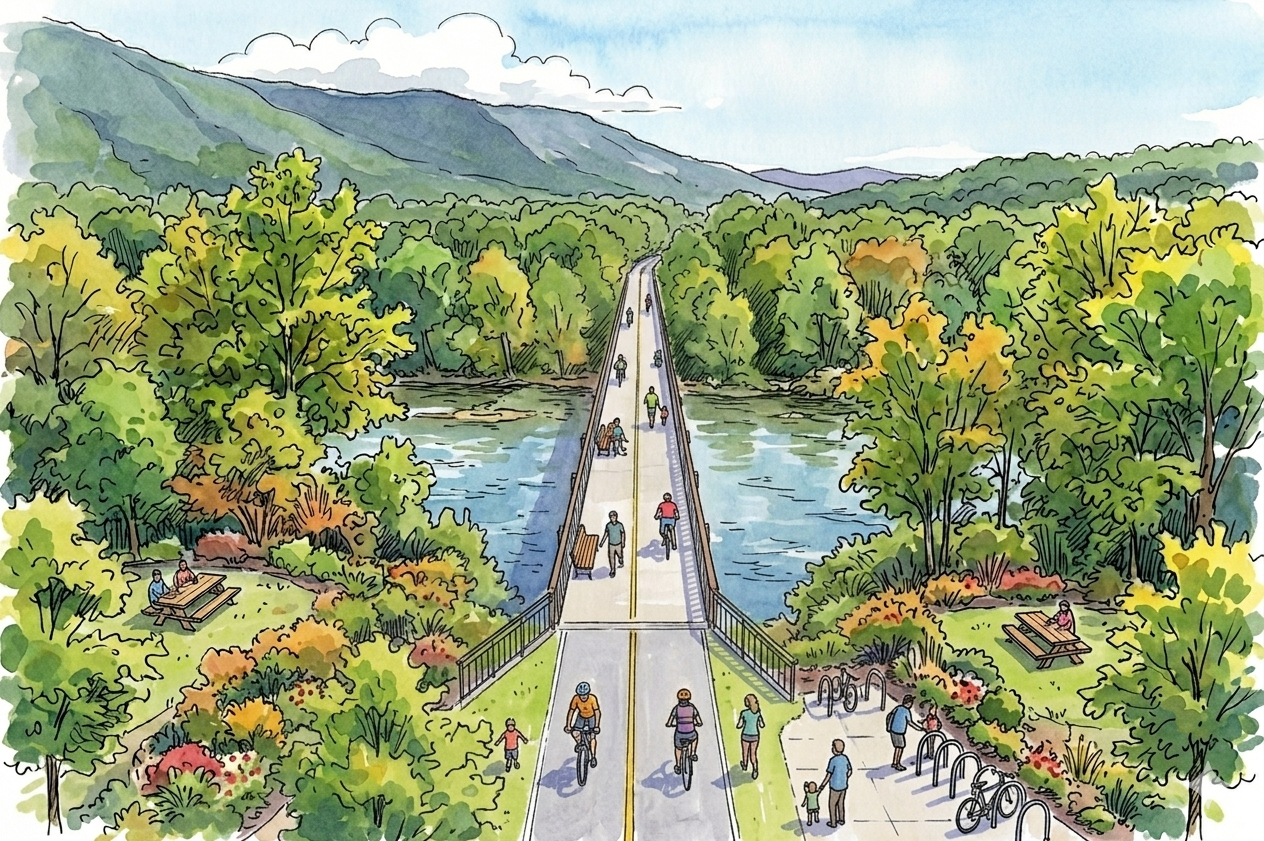
The Shenandoah Rail Trail is a proposed 49-mile multi-use trail preserving a historic rail corridor from Broadway to Front Royal. Backed by state studies and local partnerships, the trail aims to boost tourism, support small businesses, enhance quality of life, and protect future transportation options in the Shenandoah Valley.
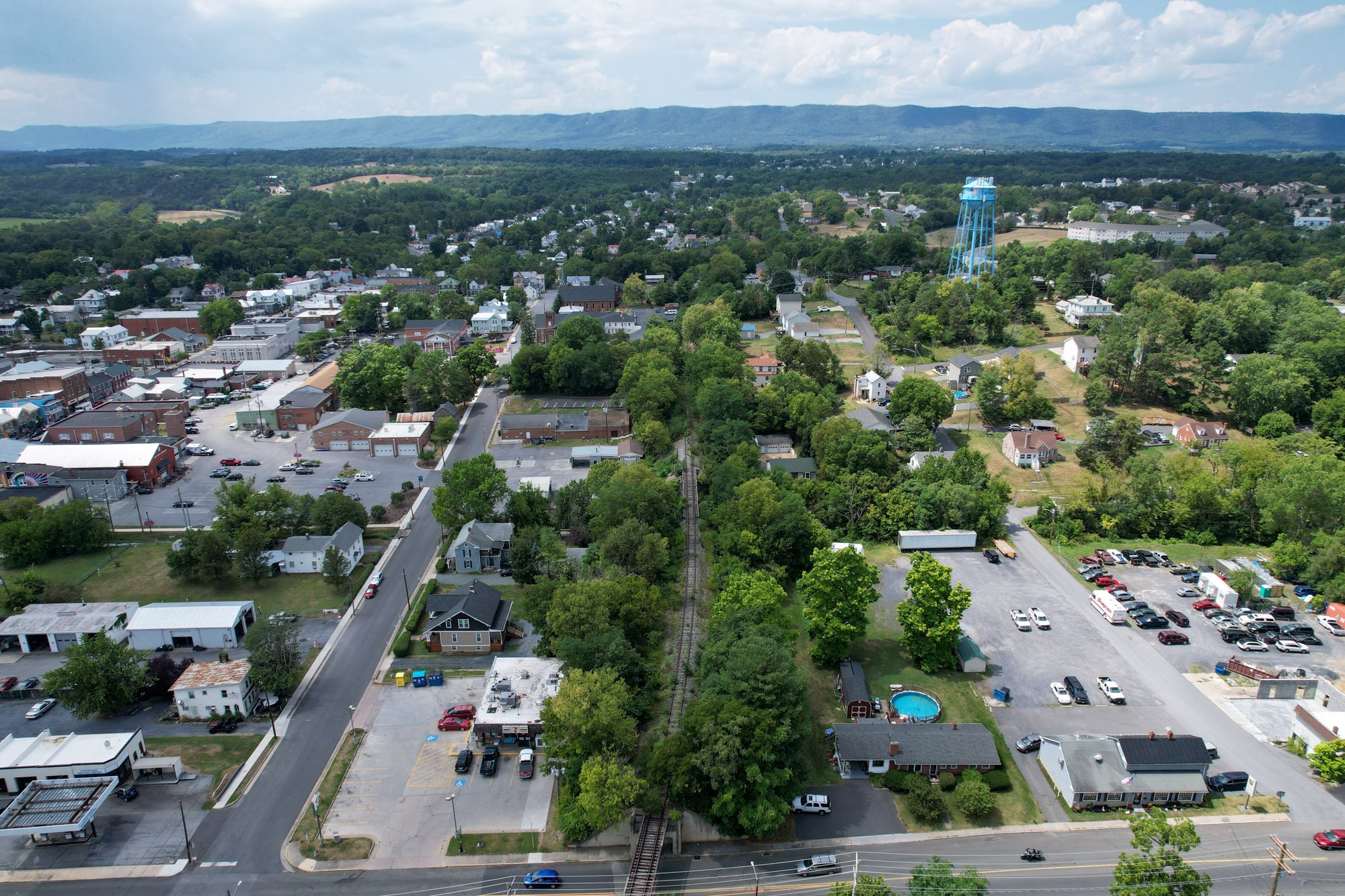
With the public process back on track, VDOT has scheduled the final round of engagement meetings for the Phase 3 assessment and will launch an online public survey any day now. This is our moment to advocate for a vision that is feasible, fiscally responsible, and results in a high-quality trail.
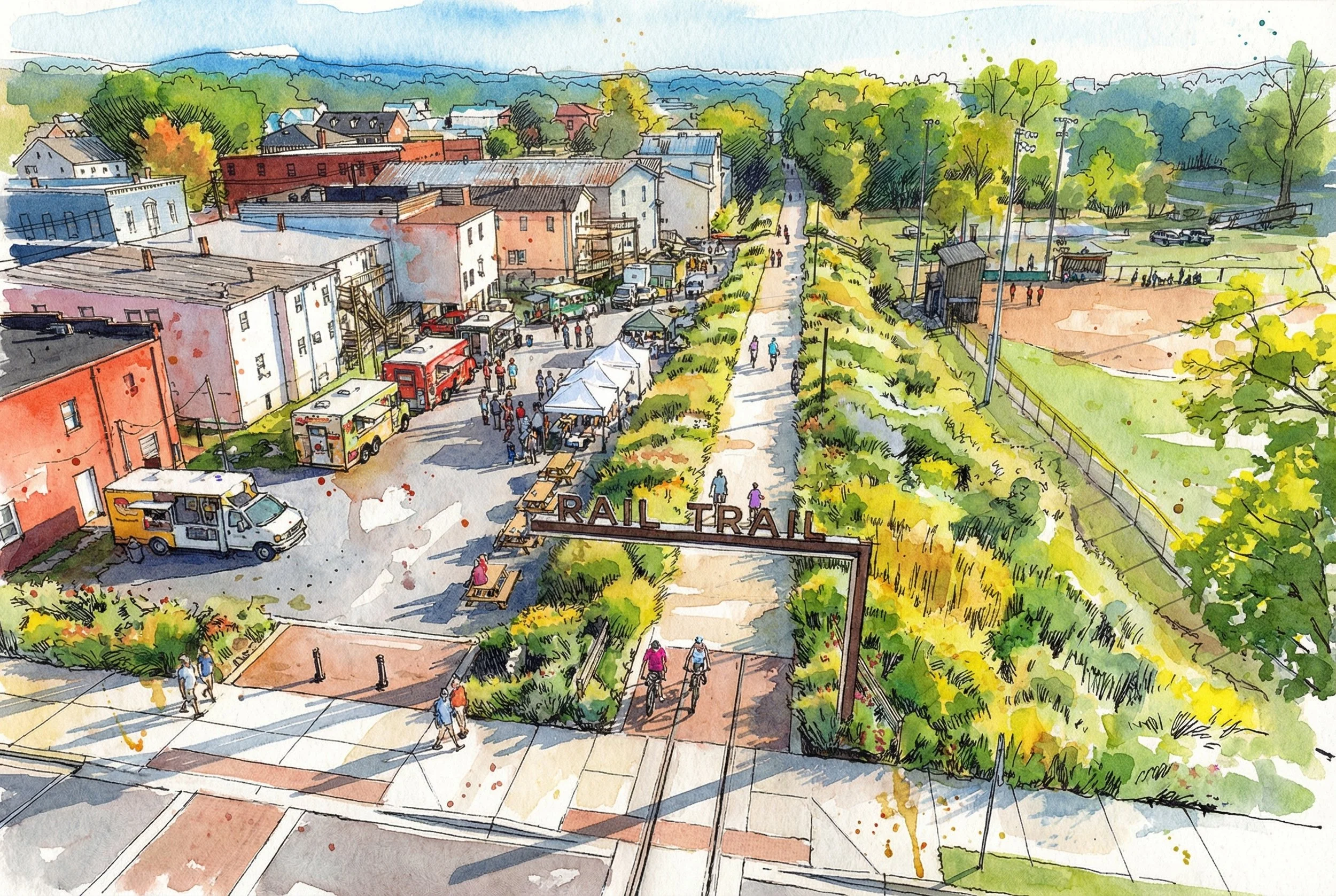
On February 17, 2026, the Commonwealth Transportation Board (CTB) reversed its rushed January action to transfer the proposed Shenandoah Rail Trail and its $35 million allocation, without due process, to a private organization in favor of a costly and complicated rail-with-trail project.
In a move that reflects just how controversial this "rushed" process has been, the Commonwealth Transportation Board was split down the middle with a 6-6 tie. Ultimately, the outgoing Secretary of Transportation cast the tie-breaking vote in favor of transferring the project and its funding to the Virginia Passenger Rail Authority.
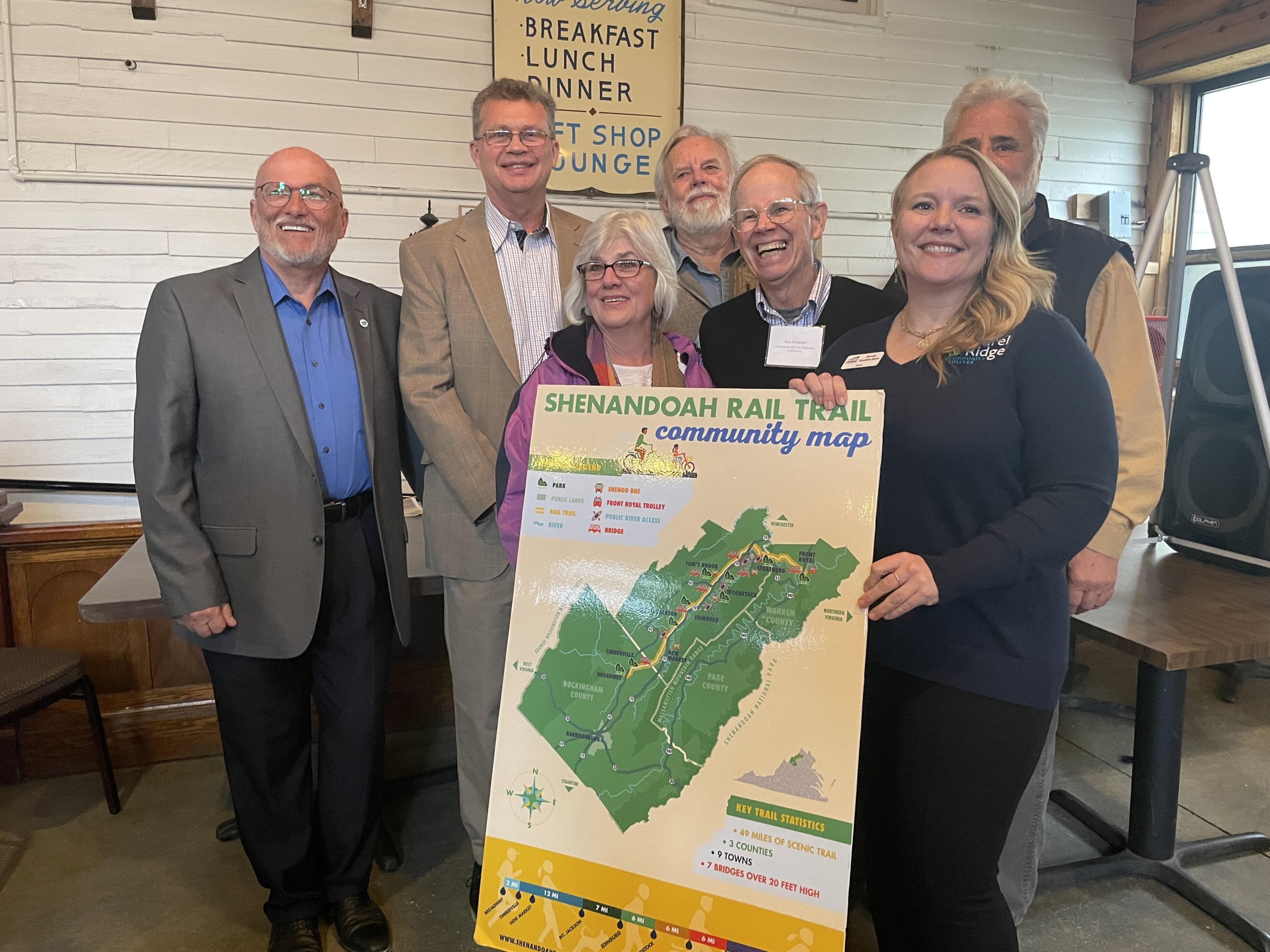
In a letter to the Commonwealth Transportation Board, mayors from the nine towns along the Shenandoah Rail Trail asked the CTB to defer action on the proposal to transfer the rail-trail project and its funding through the Virginia Passenger Rail Authority to a private organization. The letter noted that the proposal is “being hurried toward an outcome that appears misaligned with our towns’ economic and quality-of-life interests, but rather is placed with a private entity that has no formal accountability to our communities.”
At their meeting on December 16, the VPRA board agreed to accept the transfer of the Shenandoah Rail Trail project and its funding. Although the vote was disappointing, we weren’t surprised by this purely procedural decision. On January 6, the Commonwealth Transportation Board will vote on whether to approve the transfer.
We had a BIG surprise this week (not in a good way) that threatens the future of the Shenandoah Rail Trail. A new proposal was presented at the Commonwealth Transportation Board (CTB) meeting on December 9, leaving all of us shocked and frustrated.
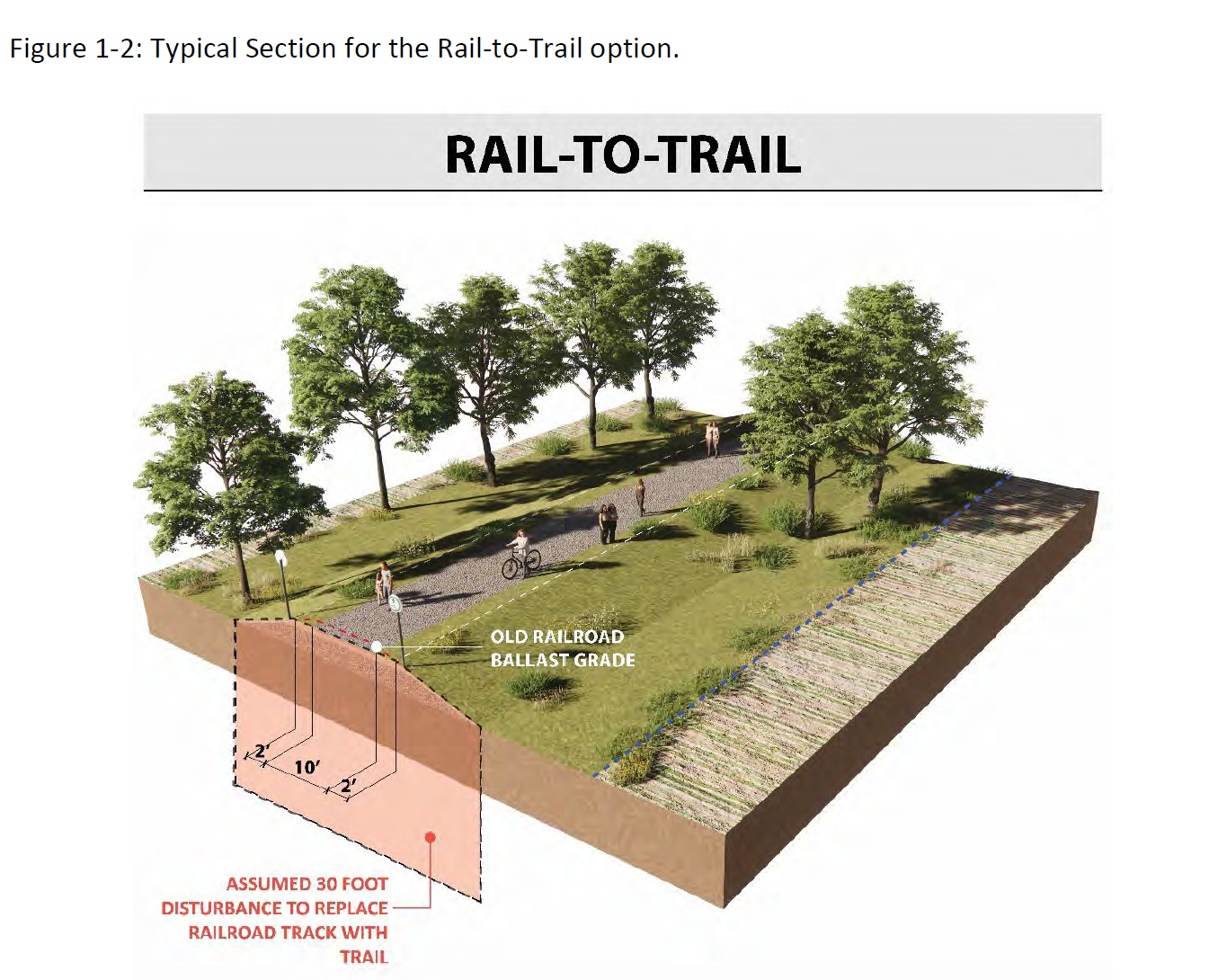
VDOT’s rail-with-trail assessment confirms what earlier phases and thousands of public comments already showed: rail-with-trail is costly and complicated, while rail-to-trail is the practical, community-backed path. This conclusion aligns with formal endorsements from every locality along the corridor and years of on-the-ground engagement.

The results are clear: a rail-with-trail project would be far more complex. The report also confirmed that people want: a trail. In Phase 1, 54% of survey responses supported rail-to-trail, and nearly everyone supported having a trail in some form.

VDOTs Phase 1 Report dropped and public meetings are scheduled. As expected, all signs point to the Shenandoah Rail Trail being the highest and best use for the unused corridor and the project that will bring the most mental, physical, and financial benefit for the state’s investment.

With rail trails across Virginia and the United States transforming communities and boosting local economies, the Shenandoah Rail Trail stands to significantly benefit Timberville while aligning perfectly with its community and economic growth goals.

We’re excited for the future Shenandoah Rail Trail, which will make exploring the Valley’s history and culture even more fun. This trail will connect towns and create a safe, fun way for people to get to local events, all while learning about the region’s rich history.

Thank you for keeping the momentum for the Shenandoah Rail Trail alive and growing. In partnership with nine towns and three counties, Friends of the Shenandoah Rail Trail remains dedicated to transforming this unused corridor into a safe, accessible path for Every Body.

And as we expected, rail-with-trail advocates are not building the Shenandoah Rail Trail that you advocated for to your local and state lawmakers and that the General Assembly set aside funding to make happen.
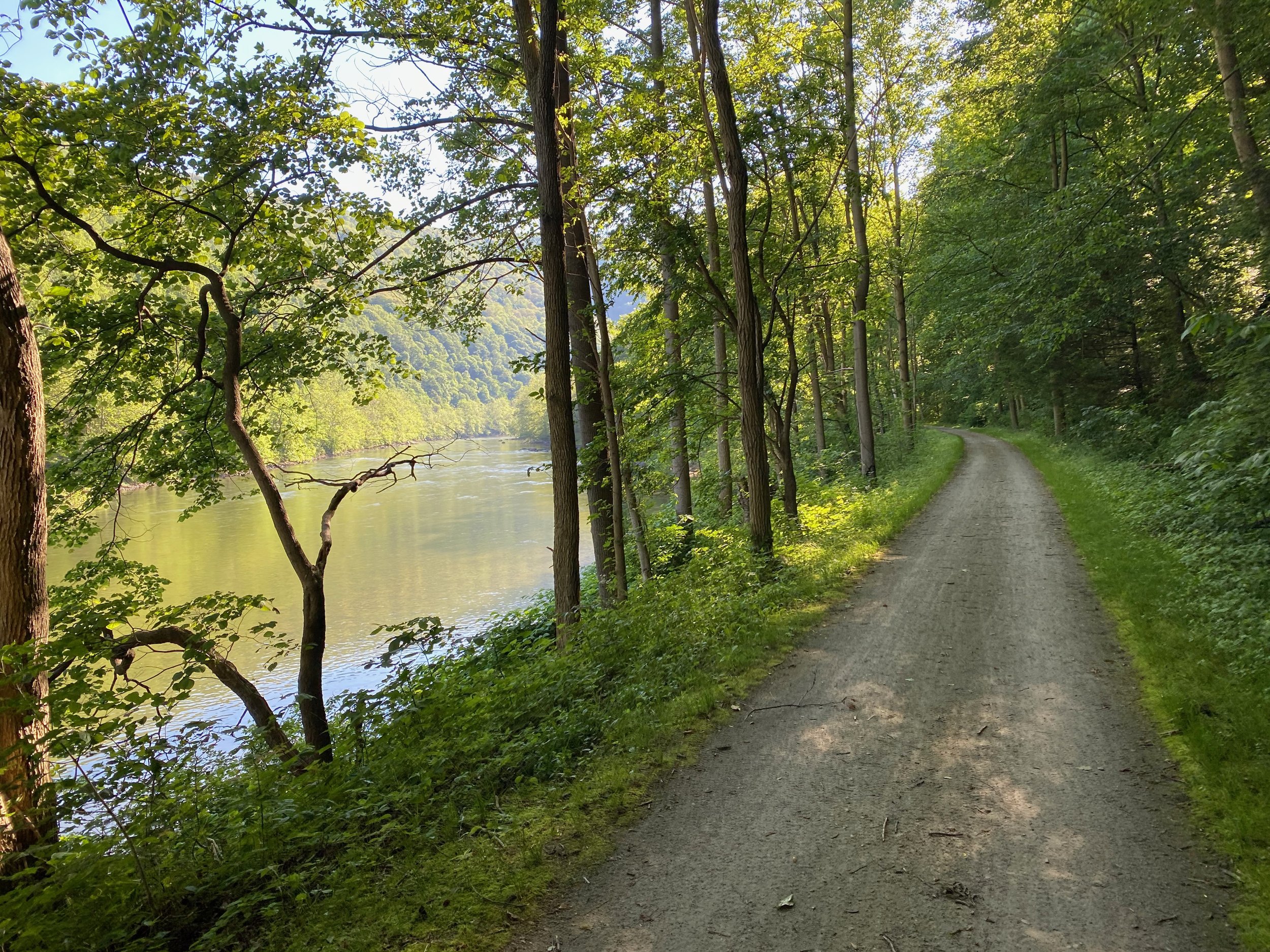
I've visited and studied several rail to trails in different parts of the country. All have proven to be a boost to their economies, bring in tourists, and are enjoyed by residents. Our proposed Shenandoah Rail Trail here will have a similar positive economic benefits.

The trail will have a major economic impact from the tourists visiting our area, as well as every town and county along the rail corridor. That fact alone should be sufficient argument for the abandoned rail line to be converted to a trail as soon as possible. It will also be a selling point to raise the funds needed for the project, which will benefit everyone.

I've visited and studied several rail to trails in different parts of the country. All have proven to be a boost to their economies, bring in tourists, and are enjoyed by residents. Our proposed Shenandoah Rail Trail here will have a similar positive economic benefits.

It is impossible to forget the impact the railroad had, and still has, on our country. However, it is no longer economically feasible for this corridor to serve its original purpose. The 49-mile Trail offers the best possible use now while still preserving what once was — a pathway that connects our communities.
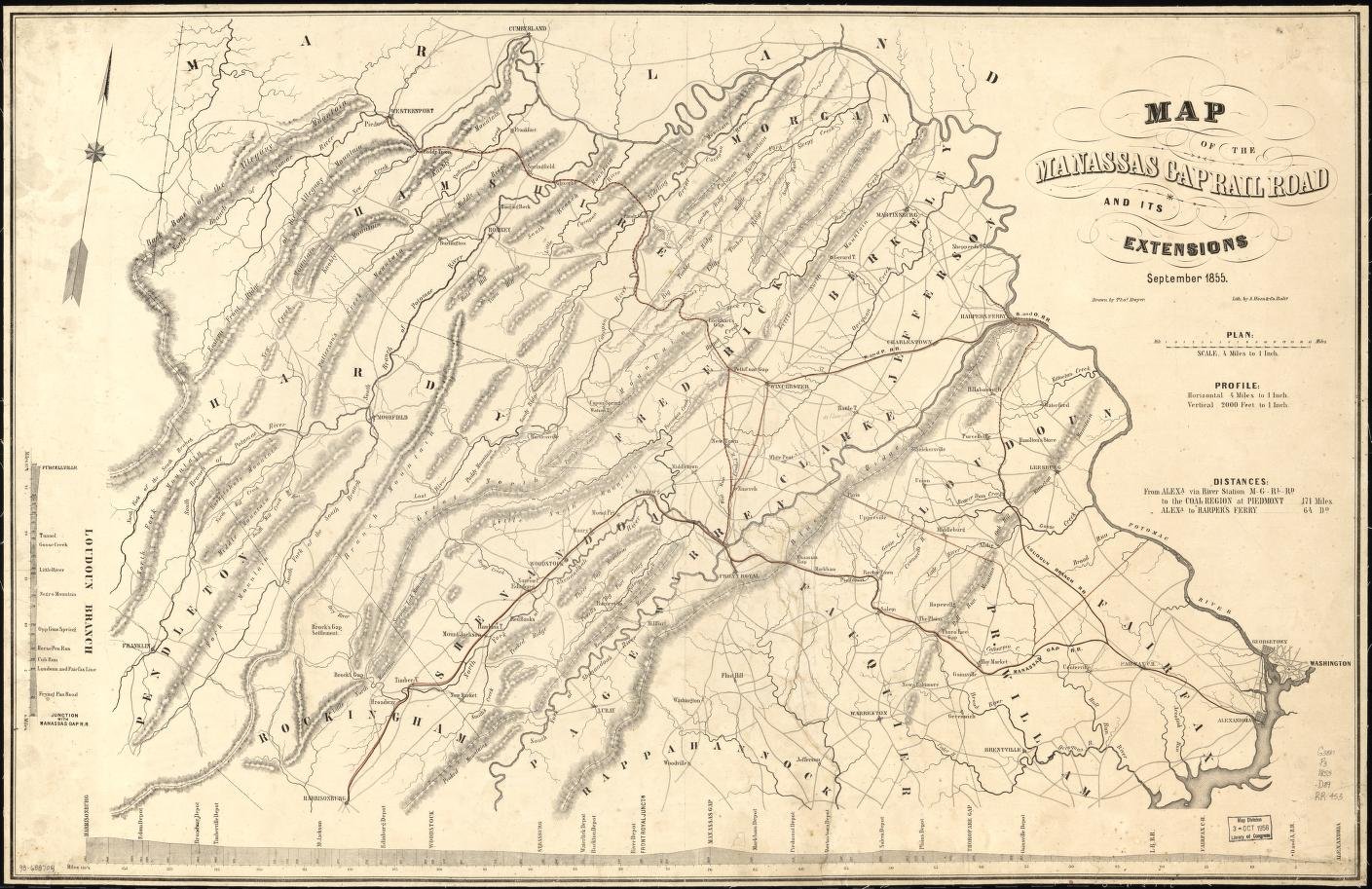
One exciting aspect of the Shenandoah Rail Trail project is the once-in-a-lifetime opportunity to preserve and protect an intact historic railway corridor that reconnects the visiting public and local people with the amazing 175-year history of the railroad and the communities it connected.

The commercial premiums afforded by our community's strategic location were evident to me as the owner of a popular business in Woodstock. Situated in the beautiful valley between the Allegheny and Blue Ridge mountains, Shenandoah County's rural economy is blessed by its proximity to one of the country's most vibrant population centers. The benefit is leveraged by easy access to our area from major North/South and East/West interstate systems.

Last year, the General Assembly appropriated up to $35 million, as part of a $245 million package, to buy land for the rail trail and conduct initial planning and site development. Language in the state budget noted that any land acquisition for the trail “shall not preclude the consideration of options to maintain rail transportation in the corridor.”

A rail to trail is more than just a pathway; it is a conduit for connection, bridging the gap between past and present, nature and civilization. It invites us to explore, to learn, and to forge new memories against the backdrop of history.

“Just say no” said Nancy Reagan.
That sentiment applies today for the plan to rebuild and run trains along the "removed from service" old railroad connecting Front Royal to Broadway.
We recently learned that the Shenandoah Valley Battlefields Foundation has entered into a Letter of Intent with Norfolk Southern to purchase the rail corridor. Evidently they intend to use the $35 million allocated for the Shenandoah Rail Trail for a different project.

Great news! The amended budget signed by Governor Youngkin on September 14, 2023, included language supporting the Shenandoah Rail Trail.
But the work is not done. Officials need to move forward with the project.
Ask state legislators & Governor Youngkin to take the next steps toward a Shenandoah Rail Trail!